Re:New Towns symposium held in Newcastle 16-17 April
This two-day symposium addressed what a ‘New Town’ can mean today and gathered international, local and interdisciplinary perspectives on national planning policies.
24 April 2026
Setting the concept of a New Town within a wider context
The symposium was a response to an intention of the current UK government – set out when they were elected in 2024 – to build a fresh generation of new towns. Re:New Towns aimed to set the government’s intentions in a wider context, thinking beyond our present here in the UK, to look to both international and historical examples, and to think across communities, professions and academic disciplines.
The two-day symposium
The jam-packed timetable for the symposium saw us host four keynote speakers, two hands-on workshops, 24 paper presentations across eight sessions and an exhibition tour.
The delegates joined us from nine different countries, and the breadth of experience and knowledge was felt in each session. The call for papers aimed to explore ideas, designs, tools, techniques, concepts and methods which covered areas such as Engineering, design politics and governance; Participation and co-design: the role of communities in imagining, designing and inhabiting; Labour employment, craft and (re)skilling; and Inclusivity: accessibility, openness, safety, security.
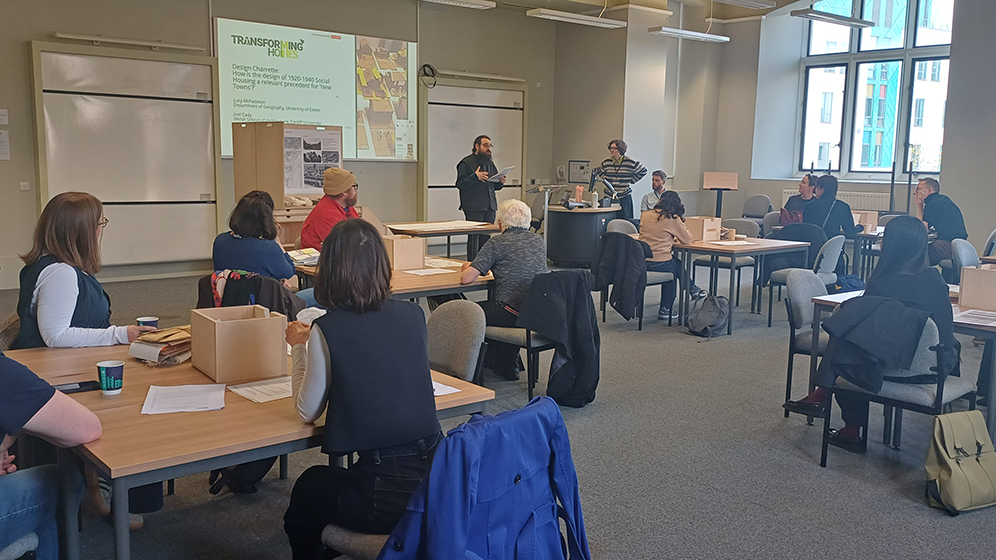
Transforming Housing and Homes for Future Generations workshop
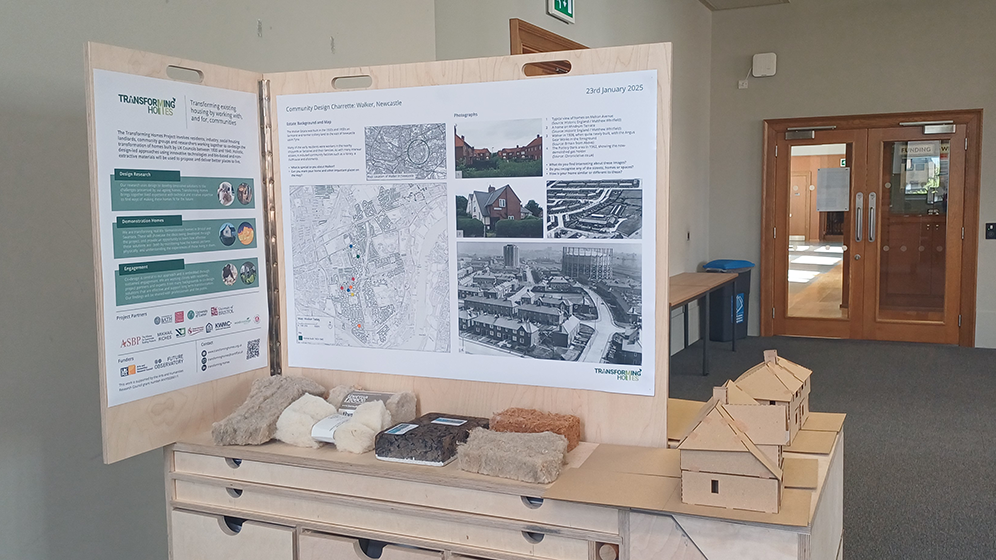
Materials and content used in the Transforming Housing and Homes for Future Generations workshop
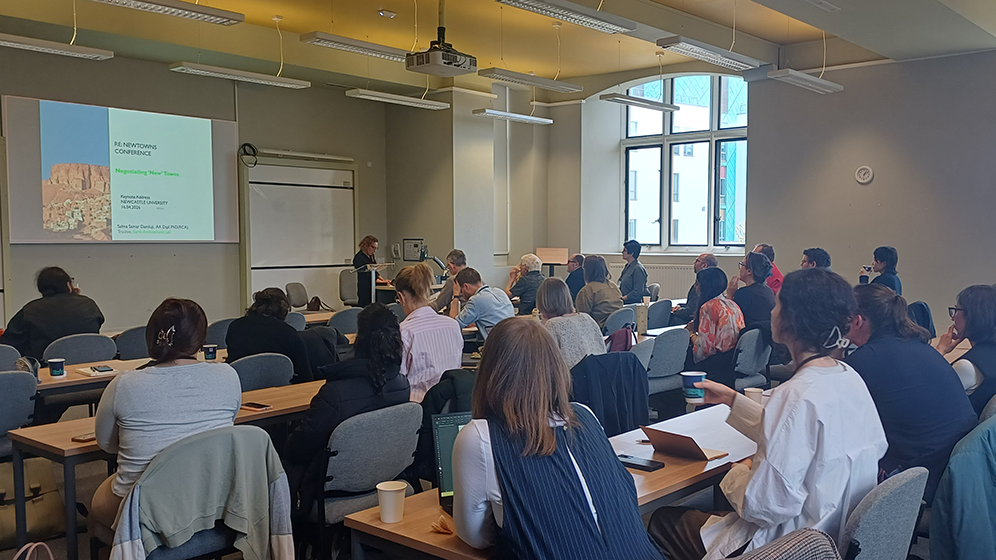
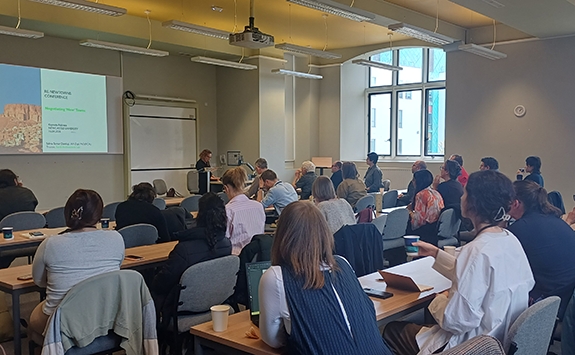
Keynote lecture from Dr Salma Samar Damluji
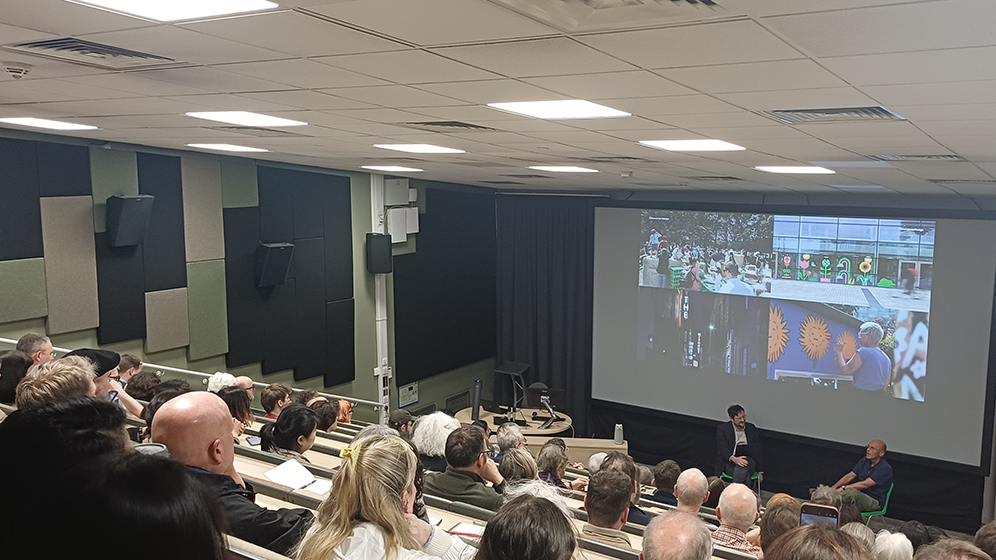
Keynote lecture from Wayne Hemingway
Event highlights
Our first workshop was led by Joel Cady (Welsh School of Architecture) and Lucy McFadzean (Exeter University), Transforming Housing and Homes for Future Generations which tasked the delegates with building and adapting cardboard models of interwar homes, streets and neighbourhoods to explore how the transformation of these homes can provide quality, affordability, homeliness and efficiency as part of future towns.
Dr Salma Samar Damluji delivered our opening keynote lecture, ‘Negotiating ‘New’ Towns’, drawing on her vast experience of earth construction, rehabilitation projects and architecture in Yemen.
The evening keynote by Wayne Hemingway was chaired by Farrell Centre Director Owen Hopkins and featured a full and attentive lecture theatre audience after being opened to the public. Hemingway regaled us with stories and anecdotes set within the context of Culture as the Catalyst: The relationship between culture and placemaking.
We welcomed Katy Lock from the Town and Country Planning Association for the first keynote of Friday where she highlighted current UK thinking on A New Future for New Towns? and how this fits within community engagement and heritage.
Professor Kristiaan Borret joined us virtually to deliver the closing keynote on Soft Power in Urban Design Quality Governance and shared his invaluable insight after ten years’ of holding the position of Baumeister in Brussels.
We were pleased to be joined by Architects’ Climate Action Network (ACAN) who delivered our final workshop A Multi-species Planning Assembly: Designing through more-than-human thinking encouraging delegates to view estate designs, plans and development through the lens of local wildlife.
The symposium was a great success, thanks to the wide range of voices and individuals who shaped the two days. The organisers hope that the collective voice will extend beyond this event to embrace and influence the changes that are urgently required of us all as professionals, academics, designers, planners and inhabitants.
The organising committee consisted of Dr Christos Kakalis, Professor Adam Sharr, Professor Geoff Vigar, Sana Al-Naimi, Stella Mygdali, Niki-Marie Jansson and Owen Hopkins.
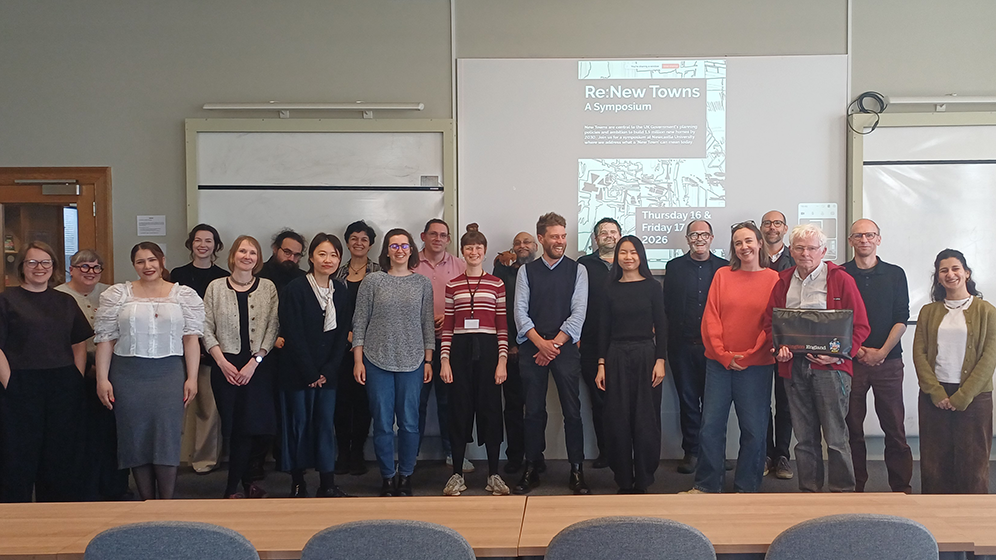
Group photo of delegates and committee who attended the symposium
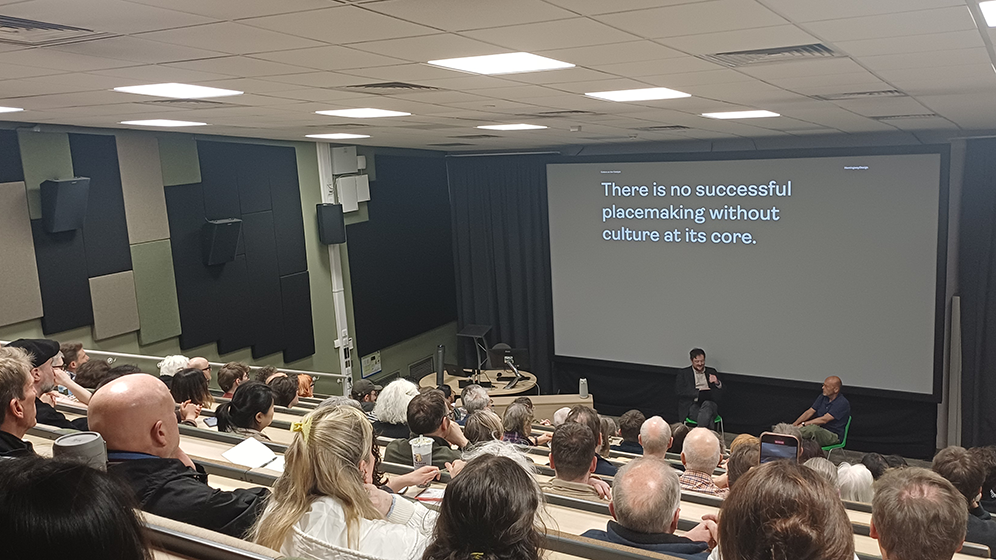
Keynote lecture from Wayne Hemingway
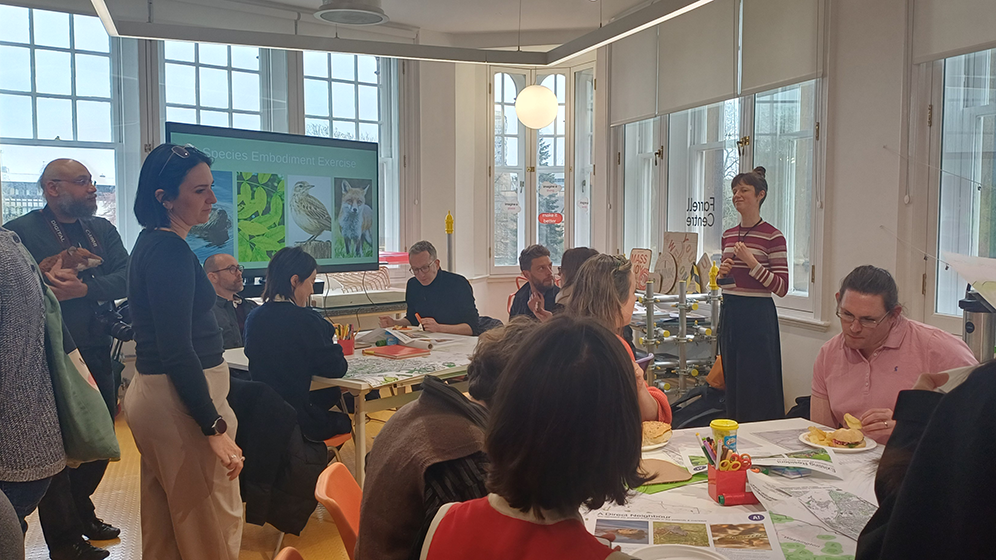
A Multi-species Planning Assembly: Designing through more-than-human thinking workshop
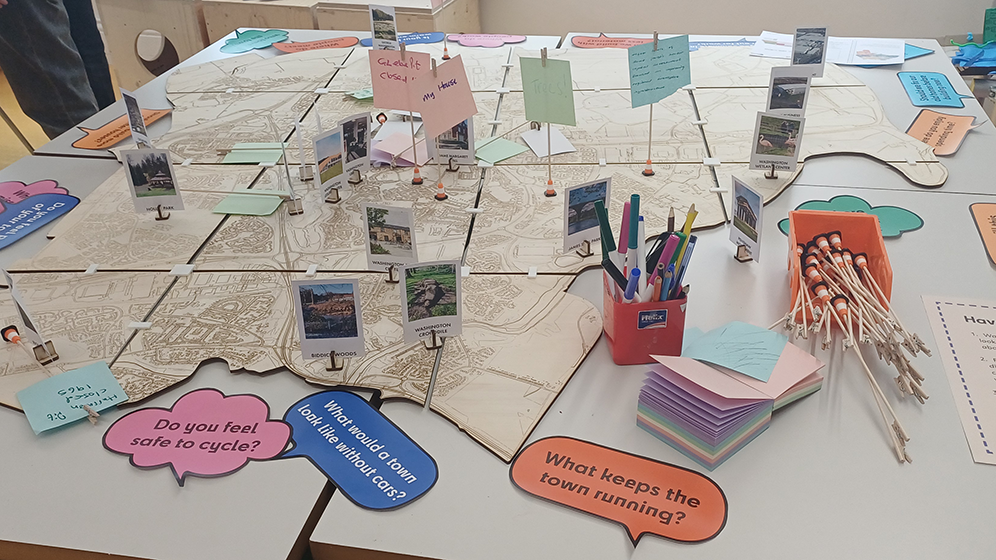
A Multi-species Planning Assembly: Designing through more-than-human thinking workshop
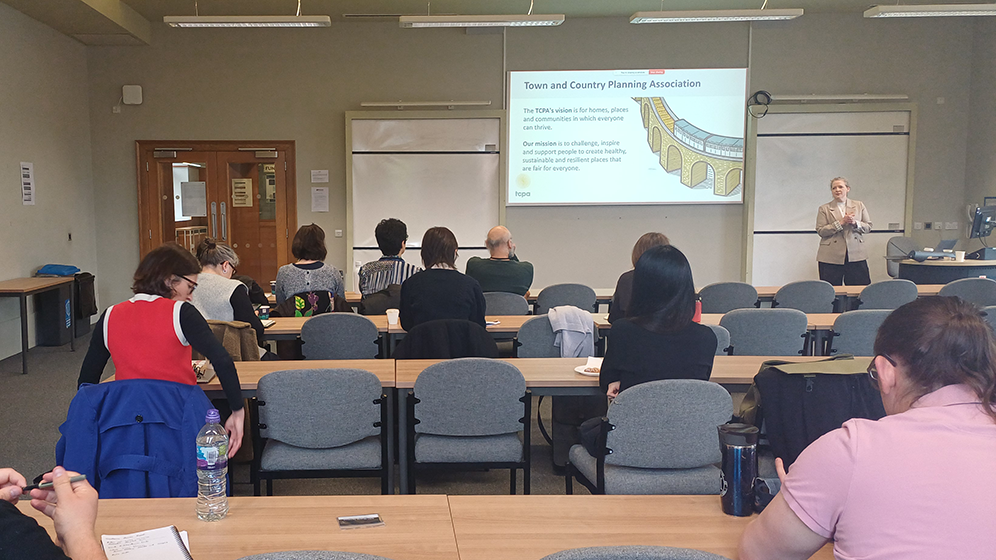
Keynote lecture from Katy Lock MRTPI
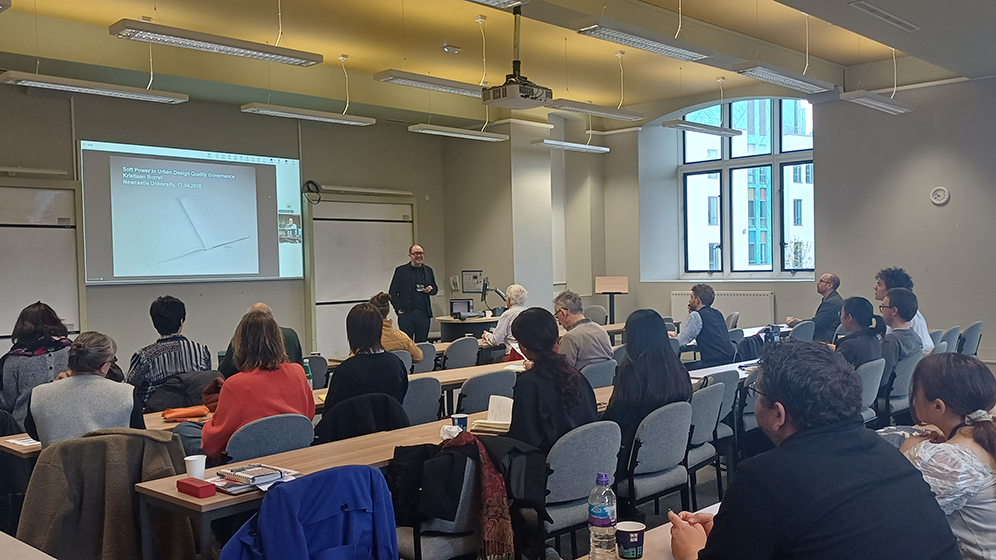
Virtual keynote lecture from Professor Kristiaan Borret being introduced by Professor Adam Sharr